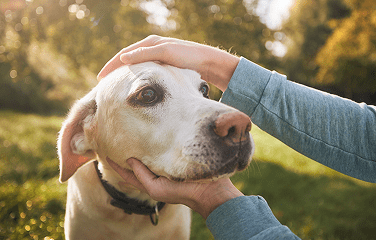


As pets grow older, their needs shift. Sometimes gradually, sometimes in ways that can be easy to overlook at home. Our veterinary team are here to help you understand those changes and support your pet’s comfort, health, and happiness throughout their senior years.
Focusing on early detection, gentle monitoring, and practical steps that help older dogs and cats enjoy a good quality of life for as long as possible.
Caring for senior pets
Ageing is a natural part of life, but it affects every pet differently. Some slow down, others become more vocal or clingy, and many simply become more vulnerable to health issues that weren’t present in their younger years. Understanding what’s normal and what may be a sign of something more is an essential part of senior pet care.
For a deeper look at how ageing changes your pet’s needs, you can explore our senior pet care guide, which covers early detection, mobility, and long‑term wellbeing.
When is a pet considered senior?
Most dogs and cats are considered senior from around seven years of age, though large‑breed dogs often reach this stage earlier. Being “senior” doesn’t mean your pet is unwell; it simply means their body is changing. Their metabolism slows, their joints may stiffen, and their organs work a little harder than before. Regular check-ups help us monitor these changes and support your pet’s wellbeing as they age.
Signs of ageing in dogs and cats
Some signs of ageing are obvious, while others are subtle. You may notice:
- Stiffness, limping, or reluctance to jump
- Changes in appetite or thirst
- Weight gain or loss
- New lumps or bumps
- Sleeping more than usual
- Behaviour changes, such as confusion or restlessness
- Difficulty grooming (especially in cats)
These changes don’t always indicate illness, but they do tell us it’s time to take a closer look at your pet’s health.
Senior pet health checks
Senior pets benefit from more frequent vet visits, ideally every six months. Because dogs and cats age faster than humans, health changes can progress quickly. Regular check-ups allow us to detect issues early, when they’re easier to manage and less likely to impact your pet’s comfort.
Why six‑monthly vet visits matter
A lot can change in six months for an older pet. These visits help us:
- Monitor weight, mobility, and muscle condition
- Check heart, lungs, and blood pressure
- Assess dental health
- Examine skin, coat, and any lumps
- Review behaviour and cognitive changes
- Discuss diet, exercise, and home adjustments
Early detection is widely recognised as one of the most important aspects of senior pet care. This resource also highlights the value of regular check‑ups, but nothing replaces a personalised assessment from your vet.
Blood and urine testing for older pets
Blood and urine tests give us a deeper understanding of your pet’s internal health. These tests can reveal early signs of kidney disease, liver changes, diabetes, thyroid disorders, anaemia, infections, and more, often before symptoms appear.
They help us assess:
- Organ function
- Hydration and electrolyte balance
- Blood sugar and thyroid levels
- Red and white blood cell counts
- Urinary tract health
This information guides treatment plans and helps us monitor your pet’s health over time.
Detecting problems early
Many age-related conditions, including arthritis, cancer, kidney disease, and hormonal disorders, start quietly. By combining physical exams with diagnostic testing, we can identify concerns early and create a plan that supports your pet’s long-term wellbeing.
Supporting quality of life
Senior pets can continue to enjoy a rich, comfortable life with the proper support. Small changes at home, combined with gentle veterinary care, can make a meaningful difference in how your pet feels day to day.
Managing arthritis and mobility
Arthritis is extremely common in older dogs and cats, but it doesn’t have to limit their enjoyment of life. Treatment options may include:
- Anti-inflammatory medication
- Joint supplements
- Weight management
- Gentle, regular exercise
- Supportive bedding
- Ramps or steps to reduce strain
If your pet is slowing down, avoiding stairs, or hesitating to jump, it may be time for an arthritis assessment.
If you’re looking for additional reading on mobility changes in older pets, this resource provides accessible overviews, but your vet can help interpret what these signs mean for your individual dog or cat.
Monitoring lumps and bumps
New lumps or changes in existing ones should always be checked. While many are harmless, some require monitoring or removal. During a senior check-up, your vet may recommend a fine-needle aspiration or biopsy to determine what the lump is and whether it needs treatment.
Maintaining comfort and wellbeing
Comfort looks different for every pet, but common supportive measures include:
- Soft, warm bedding
- Non-slip flooring
- More frequent toileting opportunities
- Diets tailored for senior health
- Environmental enrichment to support cognitive function
Your vet can help you create a plan that suits your pet’s age, health, and lifestyle.
Book a senior pet health check
Proactive care helps your pet stay comfortable, active, and happy throughout their senior years. Our team in North Melbourne and Campbellfield is here to support you with gentle, thorough assessments and tailored advice for your ageing pet.
Give your senior pet the comfort and care they deserve, book their health check today.